What Are the Benefits of Using Kraft Boxes for Packaging?
Kraft boxes have become a preferred choice for packaging across various industries. These sturdy boxes are made from recycled paper, making them both eco-friendly and cost-effective. They provide reliable protection for products during shipping and storage. Many businesses appreciate the lightweight nature of kraft boxes, which reduces shipping costs.
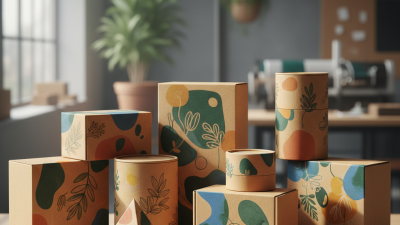
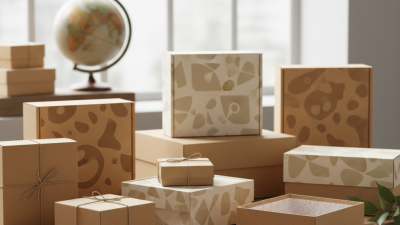
Moreover, kraft boxes offer a unique and rustic aesthetic. This natural look enhances product presentation and can attract more customers. Businesses often use kraft boxes for custom printing, adding brand logos and designs. This personal touch can differentiate a product in a crowded market.
While kraft boxes have many advantages, some challenges exist. For example, their moisture resistance may not be as high as that of plastic packaging. Therefore, companies need to assess their specific needs. The choice of packaging reflects a brand's values, and kraft boxes may not suit all products perfectly.
Overview of Kraft Boxes and Their Applications
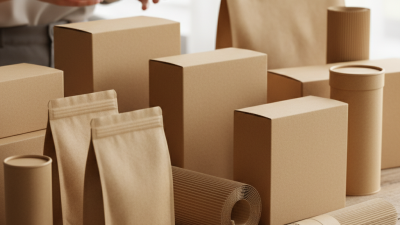
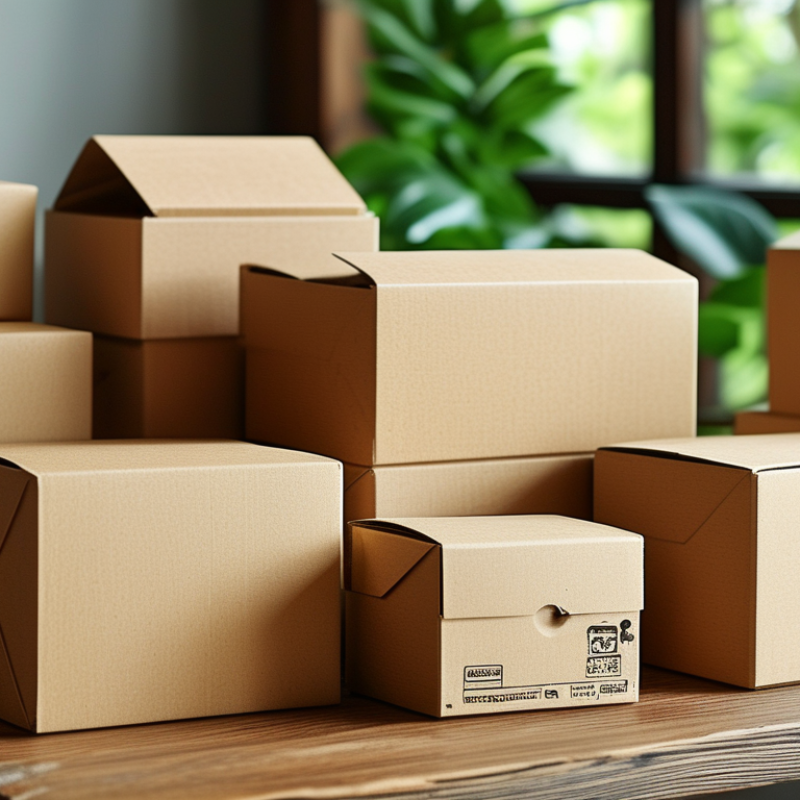
Kraft boxes are a popular choice for packaging across various industries. Made from recycled materials, they offer an eco-friendly solution that aligns with sustainable practices. These boxes are known for their durability and strength, which makes them suitable for products ranging from food items to electronics. The natural brown color of kraft material gives them a rustic appeal, making them visually attractive without needing additional printing.
In terms of applications, kraft boxes are versatile. They can be customized in various shapes and sizes to fit different products. Retailers appreciate their capability to hold weight, which enhances their reliability during transportation. However, one should consider the limitations as well. While kraft boxes offer decent moisture resistance, they may not be suitable for all environments. Some high-humidity conditions might affect the integrity of the packaging. This requires businesses to evaluate their specific needs when choosing kraft boxes for their packaging solutions.
Benefits of Using Kraft Boxes for Packaging
Environmental Benefits of Using Kraft Boxes
Kraft boxes are gaining popularity in the packaging industry, primarily due to their environmental benefits. Made from recycled paper, they reduce waste significantly. According to the American Forest and Paper Association, using recycled materials can lower carbon footprints by up to 35%. This makes Kraft boxes an eco-friendly choice, appealing to environmentally-conscious consumers.
Moreover, Kraft paper is biodegradable. Unlike plastic, which can take hundreds of years to decompose, Kraft boxes break down naturally. A study from the Sustainable Packaging Coalition indicates that biodegradable packaging can reduce landfill waste by nearly 50%. This not only helps the environment but also enhances a brand's reputation.
Despite these advantages, there are challenges. Some consumers may not fully understand the benefits of switching to Kraft packaging. Education is essential for promoting this sustainable option. Additionally, while Kraft paper is versatile, it may not offer the same durability as plastic materials in some cases. Brands should evaluate their specific needs before transitioning entirely to Kraft.
Cost-Effectiveness of Kraft Packaging Solutions
Kraft boxes offer a unique blend of cost-effectiveness and versatility for packaging solutions. The sustainable properties of Kraft paper make it an ideal choice for businesses looking to reduce costs without compromising quality. This material is lightweight yet strong, helping to minimize shipping expenses while maximizing durability during transport. In a market where budget constraints are crucial, Kraft boxes stand out as a reliable alternative.
When considering packaging, remember that environmental impact matters. Kraft boxes are biodegradable and recyclable, allowing businesses to appeal to eco-conscious consumers. Investing in sustainable packaging can enhance brand reputation. It shows commitment to the environment, potentially attracting more customers.
Tips: Always evaluate your packaging needs carefully. Assess whether Kraft boxes fit your specific product type. Testing different designs may reveal unexpected benefits. Keep an eye on industry trends to help gauge consumer preferences. Adapting to these shifts could improve your packaging strategy significantly. Remember, a thoughtful approach can lead to both cost savings and enhanced customer satisfaction.
Durability and Protection Offered by Kraft Boxes
Kraft boxes are increasingly popular for packaging due to their incredible durability. Made from recycled paper, they provide robust support for various products. Their sturdy construction ensures that items inside remain safe from external pressures, making them ideal for shipping and storage. Customers appreciate the peace of mind that comes from knowing their products are well protected.
One challenge with kraft boxes is their susceptibility to moisture. While they can withstand some humidity, exposure to excess water may weaken them. It's essential to assess storage conditions carefully. Another oversight can occur during the design process, where some may fail to account for the weight of the items being packed. Ensuring the right material thickness can avoid potential damage.
Despite these considerations, kraft boxes offer significant benefits for businesses. Their eco-friendly nature appeals to environmentally conscious consumers. This appeal can enhance brand reputation. However, it's crucial to continually evaluate the quality of the boxes used. Maintaining high standards ensures that the advantages of using kraft boxes are fully realized.
Customization Options for Kraft Box Packaging
Kraft boxes are a popular choice for packaging due to their customization options. They offer versatility for brands looking to stand out. According to a recent report by Smithers Pira, the global market for custom packaging is expected to grow by over 4% annually, highlighting the rising demand for tailored solutions. Custom Kraft box packaging can be printed in various colors, sizes, and shapes. This allows businesses to reflect their brand identity effectively.
Digital printing technology enables high-quality graphics on kraft packaging. Brands can create unique designs that attract consumers' attention. In fact, studies show that customized packaging can increase a product's perceived value by up to 20%. This illustrates the importance of aesthetics in consumer decisions. However, there can be challenges. Small businesses may find the initial investment high when creating personalized designs.
Another concern is the environment. While Kraft paper is biodegradable, excessive use of coatings can reduce its eco-friendliness. It's essential for brands to balance customization desires with sustainable practices. Effectively, they must consider how their packaging choices impact the planet. As the industry evolves, finding that balance will be crucial.