Global retail is not merely a transaction; it is a physical brand experience carried through busy streets, airports, and shopping centers. Merchandise bags must protect products, communicate identity, and support efficient store operations. A weak handle, blurred logo, or damp paper base can damage that experience quickly. The details matter.
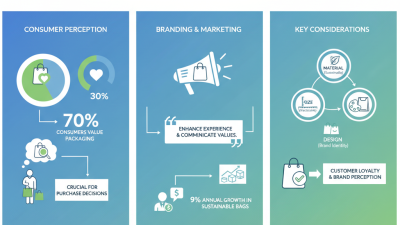
McKinsey’s 2020 packaging survey, covering more than 10,000 consumers, found that 60–70% would pay more for sustainable packaging. However, preferences differ sharply by country, income, product category, and disposal infrastructure. The Ellen MacArthur Foundation’s New Plastics Economy Global Commitment also shows growing pressure for recyclable, reusable, and responsibly sourced packaging. These findings make material selection a business decision, not just a design choice. FSC-certified paper, recycled content, reusable fabric, and responsibly specified plastic each have practical advantages. None is automatically perfect. A bag that looks sustainable may still perform poorly during transport or lack suitable local recovery systems.
This guide examines 10 best merchandise bags for global retail buyers through a practical procurement lens. It considers carrying strength, dimensions, moisture resistance, print quality, storage efficiency, customization, and total cost. It also references credible industry guidance, including Smithers’ packaging market research and ISO-based quality principles. Supplier audits, sample testing, and clear specifications remain essential. A catalog photograph cannot reveal a tearing gusset or uncomfortable cord handle. We may favor versatility too heavily in some comparisons, because store conditions vary. Still, the goal is useful clarity: helping buyers select bags that feel reliable in a customer’s hand and responsible across the supply chain.
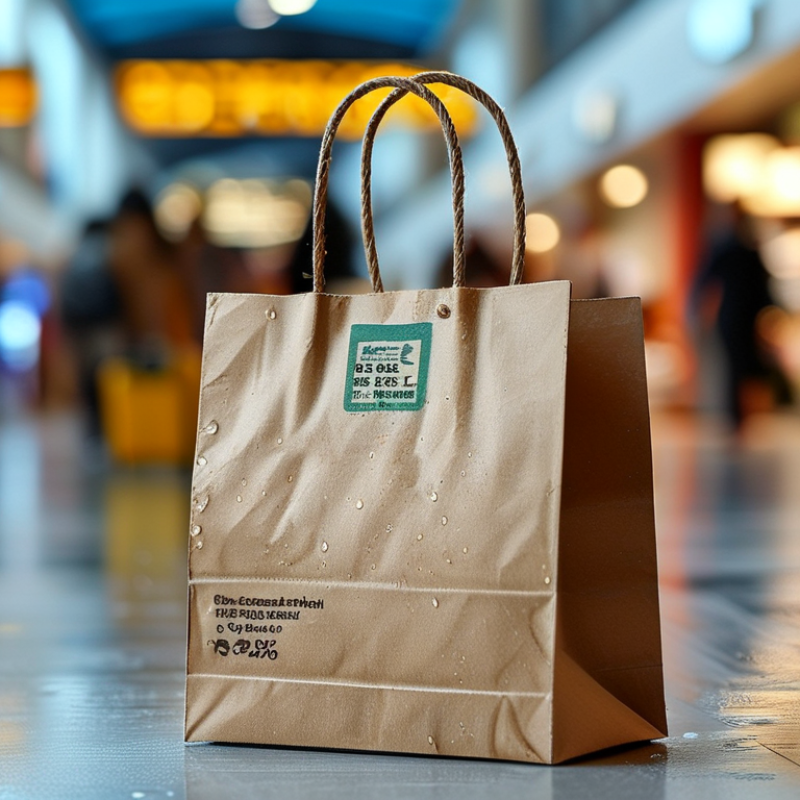
10 Best Merchandise Bags for Global Retail Buyers?
What Global Retail Buyers Need from Merchandise Bags
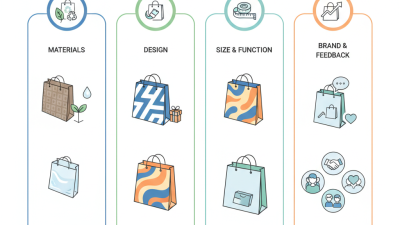
Global retail buyers need more than attractive packaging. A merchandise bag must protect products, support efficient handling, and represent the store clearly. In purchasing reviews, I have seen strong designs fail because their handles tear under ordinary weight. Load testing matters.
Paper, recycled plastic, cotton, and other materials each serve different retail conditions. Paper bags suit dry indoor environments, while moisture-resistant options help near transport areas or humid regions. Buyers should request verified material data, recycling guidance, and safety documentation. Environmental claims must be specific, not vague.
Size affects cost and customer experience. A bag should hold the product without excessive empty space. Reinforced bases help with bottles, books, and boxed goods. Soft handles feel comfortable, but twisted paper handles may need stronger attachment points. Small details matter.
Printing should remain readable after folding and storage. Ask for color samples, abrasion checks, and production tolerances. Local language, measurement systems, and disposal instructions may also affect the final design. Regional requirements can differ, so compliance checks should happen before production.
I have learned that sample approval is not enough. A perfect sample may hide inconsistent glue, weak seams, or delayed delivery. A small pilot order can reveal these problems earlier. It costs more attention, but often prevents larger waste. Buyers should also review minimum quantities, lead times, carton dimensions, and replacement procedures before committing.
| Rank | Bag Type | Typical Material | Typical Size Range (W × H × Gusset) |
Typical Load Capacity | Best Retail Use | Key Advantages | Main Limitation | Global Buyer Considerations |
|---|---|---|---|---|---|---|---|---|
| 1 | Recycled Paper Kraft Bag | Recycled kraft paper, commonly 80–120 gsm | 18–45 × 24–50 × 8–18 cm | Approximately 2–8 kg, depending on paper weight and construction | Apparel, gifts, books, cosmetics, and general shopping | Widely accepted by consumers; recyclable where paper recycling is available; easy to print | Performance decreases when exposed to moisture or repeated heavy loading | Confirm recycled-content claims, paper-recycling requirements, handle strength, and local packaging rules |
| 2 | Reusable Nonwoven Polypropylene Bag | Spunbond nonwoven polypropylene, commonly 60–100 gsm | 25–45 × 30–45 × 8–15 cm | Approximately 3–10 kg | Supermarkets, apparel stores, promotions, and trade events | Lightweight, moisture-resistant, reusable, and economical for high-volume orders | Not biodegradable; recycling access for fabric-like PP products varies by market | Specify material composition, stitching or heat-seal method, odor limits, and country-specific labeling requirements |
| 3 | Cotton Canvas Tote Bag | Cotton canvas, commonly 140–300 gsm | 30–50 × 35–45 × 8–15 cm | Approximately 5–15 kg, depending on fabric weight and seams | Premium retail, fashion, bookstores, events, and long-term reuse programs | Durable, washable, reusable, and suitable for premium graphics | Higher material weight, shipping volume, and purchase cost than paper bags | Request fiber-content documentation, colorfastness information, seam testing, and instructions for washing and care |
| 4 | Recycled PET Bag | Woven or nonwoven recycled polyethylene terephthalate fabric | 30–50 × 35–45 × 8–16 cm | Approximately 5–12 kg | Durable retail programs, grocery shopping, and promotional merchandise | Strong, lightweight, moisture-resistant, and made with recycled plastic feedstock | Still a synthetic textile; recycling depends on local collection and processing systems | Verify recycled content through supply-chain records and check whether the intended market accepts the material for recycling |
| 5 | Paper Luxury Boutique Bag | Virgin or recycled kraft paper, commonly 170–250 gsm | 20–40 × 25–45 × 8–16 cm | Approximately 3–10 kg | Luxury goods, cosmetics, jewelry, fashion, and gift retail | Premium appearance; supports rigid construction, ribbon, cotton, or twisted-paper handles | More expensive and heavier than standard kraft bags | Check coating, foil, lamination, adhesive, and handle materials because mixed components can affect recyclability |
| 6 | Recycled LDPE or HDPE Plastic Bag | Recycled or virgin polyethylene film, commonly 40–100 microns | 25–45 × 30–55 cm, with optional gusset | Approximately 2–8 kg, depending on film thickness and handle design | Wet products, convenience retail, hardware, food, and high-volume checkout | Moisture-resistant, compact to ship, and suitable for efficient automated packing | Single-use restrictions and plastic-bag charges apply in many jurisdictions | Review thickness rules, recycled-content mandates, labeling obligations, and approved end-of-life routes before importing |
| 7 | Jute or Natural-Fiber Bag | Jute, linen, cotton, or blended natural fibers | 30–45 × 35–45 × 10–18 cm | Approximately 5–12 kg | Grocery, organic products, gifts, seasonal promotions, and artisan retail | Distinct natural texture, good carrying strength, and strong visual sustainability appeal | May shed fibers, absorb moisture, and show variation in color or weave | Specify fumigation or phytosanitary documentation where required and test for odor, mold, color transfer, and fiber shedding |
| 8 | Compostable Paper-and-Biopolymer Bag | Paper combined with a certified compostable film or coating | 20–40 × 25–50 × 8–16 cm | Approximately 2–6 kg | Food service, produce, natural-product retail, and markets with composting infrastructure | Can support compostability claims when the complete bag meets the applicable standard | Industrial composting may be required; it should not automatically be placed in paper recycling | Obtain certification for the finished bag, use approved disposal wording, and confirm local composting availability |
| 9 | Drawstring or Cinch Sack | Cotton, polyester, recycled PET, or nonwoven polypropylene | 25–40 × 30–50 cm | Approximately 1–5 kg | Sportswear, footwear, toys, events, travel accessories, and promotional kits | Compact, reusable, easy to store, and suitable for products with irregular shapes | Limited protection for fragile or heavy products; cords may create safety concerns for children’s products | Define cord length, seam strength, age grading, and applicable drawstring or entanglement requirements |
| 10 | Insulated Thermal Shopping Bag | Polyester or polypropylene outer fabric with PE, EPE, or other insulating layer | 25–45 × 25–40 × 12–25 cm | Approximately 5–15 kg | Grocery delivery, chilled food, meal kits, pharmaceuticals, and specialty food retail | Helps reduce temperature change during short-distance transport and can be reused | Bulkier, more costly, and harder to recycle because it contains multiple bonded layers | Specify insulation thickness, leak resistance, cleaning method, food-contact suitability where relevant, and validated temperature performance |
Note: Dimensions, load capacities, material weights, and performance ranges are typical procurement specifications. Final results depend on construction, handle design, seams, printing, closures, product weight, and regional packaging regulations.