What is the Best Packaging Materials for Global Sourcing?
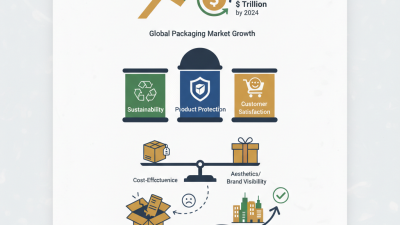
In the rapidly evolving landscape of global sourcing, choosing the right packaging materials is crucial for success. The global packaging materials market was valued at $1 trillion in 2022 and is projected to grow significantly. According to industry expert Dr. Anna Hayes, “Sustainable packaging materials are not just a trend; they are essential for future-proofing supply chains.” This statement underlines the importance of selecting materials that align with environmental considerations.
Many companies face challenges in sourcing the right packaging materials that meet both functional and sustainability requirements. Recent studies show that 70% of consumers prefer brands that prioritize eco-friendly packaging. Yet, manufacturers often grapple with balancing cost and functionality. For instance, a packaging solution that is cost-effective might not offer adequate protection during shipping. It raises questions about whether short-term savings are worth potential long-term issues.
The packaging materials industry continues to innovate, with alternatives like biodegradable plastics and recycled content. However, businesses must remain vigilant. Not all green claims are reliable. Careful evaluation of suppliers is essential. Relying on third-party certifications can enhance trust. Ultimately, the right packaging materials not only enhance product appeal but also reflect a company's commitment to sustainability and quality.

Types of Packaging Materials Used in Global Sourcing
When considering packaging materials for global sourcing, various options emerge. Choosing the right one is crucial for efficiency and sustainability. Cardboard and corrugated materials are popular due to their lightweight nature and recyclability. They provide excellent protection for goods during shipping. However, they may not always be waterproof, leading to possible damage if exposed to moisture.
Plastic packaging offers great durability and versatility. It can withstand harsh conditions and is often used for food and consumer goods. However, the environmental impact of plastic waste raises concerns. Companies must find a balance between practicality and sustainability. Biodegradable options are emerging, but they may come at a higher cost.
Here’s a tip: Always assess the compatibility of packaging materials with your product. Avoid materials that could react negatively or compromise product integrity. Additionally, consider using labels that indicate proper disposal methods. This encourages consumers to act responsibly.
Another tip: Test different packaging solutions. Not every material will suit your needs equally. Experimentation is key to finding the most effective option for shipping and storage.
What is the Best Packaging Materials for Global Sourcing?
Factors Influencing the Choice of Packaging Materials
Choosing the right packaging materials is critical for global sourcing. Various factors influence these decisions. For instance, logistics and supply chain efficiency play a significant role. According to a report from Smithers Pira, global demand for sustainable packaging is expected to reach $1 trillion by 2027. This shift highlights that sourcing decisions must account for environmental impacts.
Another important aspect is regulatory compliance. Different regions have varying laws regarding materials. For example, in the European Union, strict regulations exist to limit plastic use. Packaging must not only be functional but also compliant to avoid penalties. This complexity can challenge businesses in their sourcing strategies.
Cost-effectiveness remains a key factor as well. A study by Grand View Research found that cost pressures drive many companies toward less expensive, often less sustainable materials. This decision can lead to long-term challenges, such as brand reputation and environmental sustainability issues. Balancing cost with sustainability is a common dilemma companies face today.
Sustainability Considerations in Packaging Selection
Sustainability in packaging selection is crucial for global sourcing. Many businesses now prioritize eco-friendly materials. Consumers are increasingly aware of their environmental impact. This awareness drives companies to adopt sustainable practices. One popular choice is biodegradable packaging. It breaks down naturally and reduces landfill waste. Moreover, recycled materials also offer a greener solution.
However, the transition to sustainable packaging isn't without challenges. Availability and cost can vary significantly. Some businesses struggle to find reliable suppliers. They must balance sustainability with affordability. Not every eco-friendly option suits every product. Companies need to consider the specific requirements of their goods. This includes protection during transit and shelf life. Sometimes, these factors conflict with sustainability goals.
To make informed decisions, collaboration is key. Engaging with stakeholders brings diverse perspectives. This can lead to innovative solutions. It’s essential to stay informed about new materials and technologies. Regular assessment of packaging strategies is necessary. Sustainability is a journey rather than a destination. Businesses must continually adapt and improve their practices. There’s always room for growth in this area.
What is the Best Packaging Materials for Global Sourcing? - Sustainability Considerations in Packaging Selection
| Material Type |
Sustainability Rating |
Recyclability |
Biodegradability |
Cost-Effectiveness |
| Kraft Paper |
High |
Yes |
Yes |
Moderate |
| Recycled Plastic |
Medium |
Limited |
No |
Low |
| Bioplastics |
High |
Yes |
Yes |
High |
| Glass |
High |
Yes |
No |
High |
| Metal |
Medium |
Yes |
No |
Moderate |
Cost-Effectiveness of Different Packaging Solutions
When considering packaging materials for global sourcing, cost-effectiveness is paramount. Various options are available, each with its strengths and weaknesses. For instance, corrugated boxes offer durability and protection but can be expensive when shipping internationally. In contrast, biodegradable materials are trending due to environmental concerns, yet they may not provide the same level of protection for fragile items.
Tips: Always assess your product's specific needs. A valuable approach is to conduct a cost-benefit analysis of your packaging choices. This can reveal surprising insights, such as the hidden costs of returns due to damaged packaging.
Another aspect to consider is the total lifecycle of the packaging. Many manufacturers focus solely on the purchasing price. However, maintenance and disposal costs can add up over time. Lightweight materials may reduce shipping costs, but they might not withstand rough handling.
Tips: Experiment with notably different materials before making a commitment. Testing smaller batches can help you identify the best balance between cost and protection. Sometimes, a less expensive option can lead to increased losses if it fails to safeguard your products effectively.
Compliance and Regulatory Standards for Packaging Materials
When sourcing global packaging materials, compliance and regulatory standards play a vital role. Different countries have unique regulations regarding safety, sustainability, and material usage. It’s crucial for companies to conduct thorough research on these rules. Ignoring them can lead to costly penalties and damage to brand reputation.
Choosing materials that meet local and international standards ensures safety for consumers. For instance, food packaging must adhere to FDA regulations in the U.S. and EFSA standards in Europe. These regulations dictate the types of materials that can safely come in contact with food. Companies often face challenges in navigating these complex guidelines, which can vary significantly from region to region.
Tips: Always consult local regulatory bodies when selecting packaging materials. Verify whether the materials meet the necessary safety and environmental standards. Regular audits of your suppliers can also prevent compliance issues down the line. Investing time in understanding these regulations may seem tedious but can prevent serious fallout.
It’s easy to overlook minor compliance issues, especially amidst a fast-paced production environment. However, neglecting these aspects can lead to longer-term consequences. Failing to adapt to evolving standards may alienate consumers and hinder access to certain markets. Make it a priority to stay updated on the latest regulations in your industry.