How to Choose the Best Packaging Supplies for Your Business Needs?
Choosing the right packaging supplies is critical for any business. The right materials can protect products during shipping. They can also enhance your brand image.
You may feel overwhelmed by the options available. From boxes to bubble wrap, each type of packaging serves a different need. Consider the nature of your products. Fragile items need more protection. These choices can affect your costs and customer satisfaction.
Look into eco-friendly options if sustainability matters to your brand. Packaging supplies should reflect your company values. However, balancing cost and quality can be challenging. Often, businesses opt for cheaper supplies, risking product damage. Reflect on what works best for you.
Understanding Different Types of Packaging Supplies Available in the Market
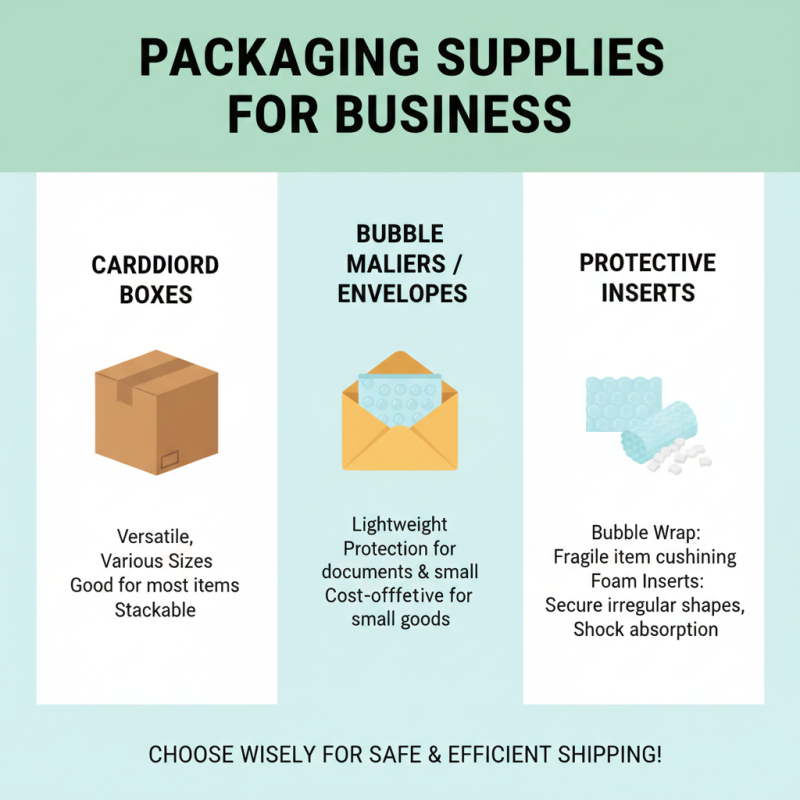
Choosing the right packaging supplies for your business involves understanding various options available in the market. There are cardboard boxes, bubble mailers, and padded envelopes. Each type serves different purposes. For fragile items, consider using bubble wrap or foam inserts for protection. Cardboard boxes come in various sizes, making them versatile for shipping.
Plastic packaging is another popular choice. It's lightweight and waterproof. However, it can be less eco-friendly. Businesses often overlook the environmental impact of their packaging. Using too much plastic can harm your brand image. It's vital to reflect on sustainability while making choices.
A practical approach is to test different supplies. Experiment with various materials to see what best protects your products. Consider customer feedback. They may prefer eco-friendly options over traditional packaging. This insight can guide your purchasing decisions. Always think about how your packaging aligns with your overall business values. Making thoughtful choices can enhance your brand’s reputation.
Assessing Your Business Requirements for Packaging Materials
Assessing your business requirements for packaging materials is crucial. Start by understanding the nature of your product. Is it fragile, perishable, or bulky? Each type demands different protection. For instance, fragile items need cushioning. Choose materials that prevent breakage during transport.
Consider your target market as well. Sustainable packaging is becoming more popular. Customers appreciate eco-friendly options. Reflect on how this aligns with your brand image. Some businesses overlook the cost of packaging. It’s important to balance quality with budget. Poor quality can lead to damaged goods and returns, which hurt your profit.
Also, think about how easy the packaging is to handle. Packaging should be user-friendly. Complicated designs may confuse customers or employees. Simple, effective packaging can streamline your operations. Test different materials and designs to find what works best. Don't hesitate to seek feedback. It's essential for improvement.
Evaluating Costs and Budget Constraints for Packaging Solutions
When evaluating packaging solutions, businesses must consider their costs and budget constraints carefully. According to a recent industry report, packaging costs can account for up to 10% of the total product cost. This percentage varies by industry. For instance, e-commerce companies may see even higher costs due to the need for protective materials. It's essential to find a balance between quality and affordability.
Selecting the right packaging materials can be daunting. Many companies initially favor cheaper options, only to face higher shipping fees due to damage or waste. A report highlights that businesses lose, on average, 3% of annual revenue due to poor packaging decisions. Investing in durable, sustainable packaging might seem more costly upfront, but it can lead to savings and improved customer satisfaction over time.
Understanding your budget is crucial. Gather quotes from suppliers and assess bulk purchasing options. Often, companies miss opportunities for discounts. Analyze your packaging needs regularly. What worked last year might not fit your current sales strategy. Be prepared to adapt and rethink your choices as your business evolves.
How to Choose the Best Packaging Supplies for Your Business Needs?
| Packaging Type |
Material |
Cost per Unit |
Min Order Quantity |
Lead Time |
| Corrugated Boxes |
Recycled kraft paper |
$0.50 |
100 |
2 weeks |
| Poly Mailers |
Plastic |
$0.20 |
500 |
1 week |
| Bubble Wrap |
LDPE Plastic |
$0.10 per foot |
100 feet |
3 days |
| Packing Tape |
Plastic |
$0.05 per yard |
24 rolls |
1 week |
| Glass Jars |
Glass |
$1.00 |
50 |
3 weeks |
Analyzing Environmental Impact and Sustainability Options in Packaging
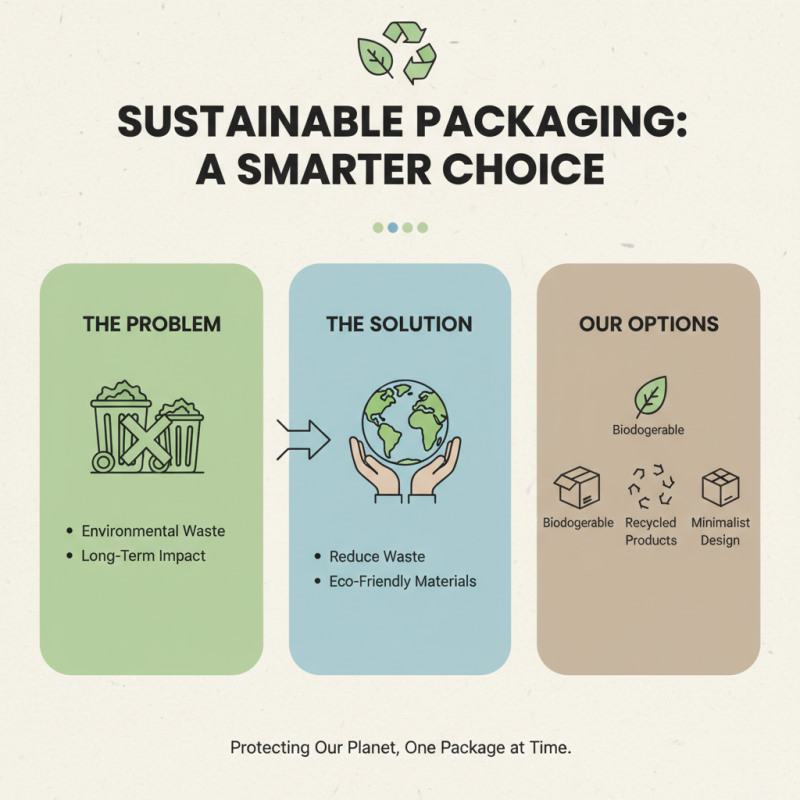
When selecting packaging supplies, sustainability plays a crucial role. Many businesses overlook the environmental impact of their choices. Traditional materials can contribute significantly to waste. This raises questions about long-term effects. Sustainable packaging reduces this waste. Options include biodegradable materials, recycled products, and minimalistic designs.
Choosing eco-friendly supplies can be complicated. Not all sustainable options perform equally well. Some biodegradable materials might not break down properly in landfills. Additionally, the production of recycled materials can have its own carbon footprint. Evaluating suppliers is essential. Seek out manufacturers who prioritize renewable resources.
Transparency is key when analyzing these materials. Understand the life cycle of packaging. Look for certifications that validate sustainability claims. Engaging with customers about packaging choices can foster trust. However, it requires ongoing reflection and improvement. Businesses must commit to evolving with better practices. The challenge lies in balancing functionality and sustainability.
Best Practices for Sourcing High-Quality Packaging Supplies for Businesses
When sourcing high-quality packaging supplies, it's crucial to identify your specific needs. Consider the type of products you sell and how they need protection during transit. Ask yourself: Will they be shipped internationally? Will they sit on retail shelves? Different requirements call for various materials. Test multiple options. Remember, your choices impact both product safety and presentation.
Look for suppliers who prioritize sustainability. Eco-friendly materials can boost your brand image. Check for certifications that ensure quality. Evaluate samples before committing. This step can prevent future disappointments. Occasionally, you might receive supplies that don't meet expectations. Reflect on what went wrong. Was it the material? Was it the supplier's communication? Learning from these experiences helps refine your sourcing process.
Networking with other businesses can provide valuable insights. Often, local connections will recommend trusted suppliers. Join online forums and groups related to your industry. They can be goldmines of information. Always be open to feedback. It may highlight areas where improvements are necessary. Less-than-perfect experiences can lead to better practices in the future.
Packaging Supplies Deployment for Businesses