How to Choose Kraft Packaging for Global Sourcing Needs?
Kraft packaging has gained significant traction in global sourcing needs, driving demand across various industries. According to the Smithers Pira report, the global market for kraft packaging will surpass $225 billion by 2025. This growth is fueled by consumer preference for sustainable materials and the push for eco-friendly packaging solutions.
As companies expand their reach, selecting the right kraft packaging becomes critical. It’s essential to consider factors such as design flexibility, cost-effectiveness, and strength. Kraft paper’s exceptional durability makes it a preferred choice for shipping and product protection. However, businesses must also reflect on sourcing practices to ensure ethical production and minimize carbon footprints.
The importance of quality cannot be overstated. Subpar packaging can lead to damaged goods and dissatisfied customers. Companies must assess suppliers for reliability, certifications, and sustainability practices. The balance between cost and quality is often challenging and requires careful evaluation. Choosing the right kraft packaging is a blend of strategic planning and practical insights, making it imperative to stay informed about industry trends and innovations.

Understanding Global Sourcing Needs for Kraft Packaging
When considering kraft packaging for global sourcing, it's essential to understand various factors that affect your choices. Kraft paper is unique due to its strength and durability. It’s made from wood pulp, which allows for a variety of applications. Businesses can use it for boxes, bags, and protective packaging. Each application has different requirements based on market needs.
Regional preferences greatly influence sourcing. For instance, some countries prioritize eco-friendly materials. Others may focus on cost and availability. You must align your sourcing strategy with local expectations. Inconsistencies in quality can lead to issues. Packaging should meet both functional and aesthetic criteria. To ensure reliability, seek suppliers with a proven track record.
It’s also crucial to consider logistics. Shipping kraft packaging globally can be complex. Lead times may vary significantly. Sometimes, unexpected delays occur. Understanding these challenges helps companies manage risks effectively. Additionally, keep an eye on fluctuating material prices. Create a flexible sourcing plan that adapts to market trends. This approach can enhance your decision-making and sourcing efficiency.
Evaluating Material Options for Kraft Packaging Solutions
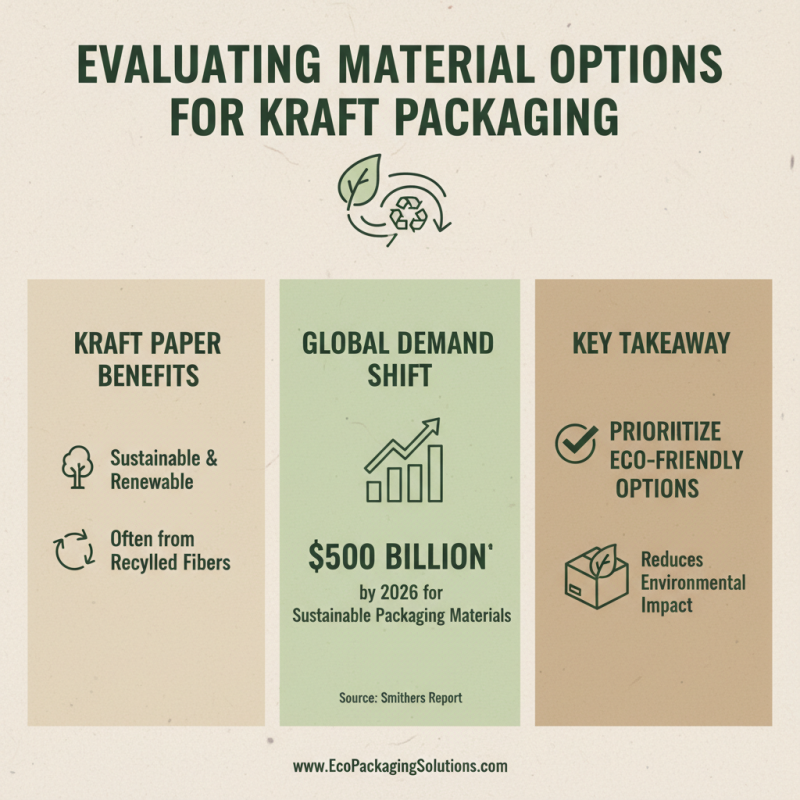
Selecting the right materials for Kraft packaging involves careful evaluation. Kraft paper is sustainable and often made from recycled fibers. According to a recent Smithers report, the global demand for sustainable packaging materials is set to reach $500 billion by 2026. This growing trend emphasizes the importance of selecting environmentally responsible options.
Recycled Kraft paper offers durability and strength, suitable for various applications. Its ability to biodegrade adds to its appeal. However, businesses must consider sourcing challenges. Quality variations and supply instability can impact packaging performance. Using materials sourced from multiple regions may help mitigate these risks. A diverse supplier base can enhance reliability in procurement.
Moreover, assessing the moisture resistance of Kraft packaging is essential. Some products may require additional coatings to maintain integrity. This need can complicate material selection. Businesses should also evaluate cost-effectiveness carefully. While premium Kraft options may provide benefits, the overall budget must remain a priority. Balancing quality and affordability is crucial for successful global sourcing.
Assessing Cost-Effectiveness in Kraft Packaging Selection
Choosing the right Kraft packaging is crucial for global sourcing. Cost-effectiveness is a key factor in this decision. When evaluating different options, start by assessing the raw materials used in Kraft packaging. High-quality materials may have a higher upfront cost but can reduce waste and damage during transit. Consider the durability and strength of the packaging. A stronger product can save money in the long run.
Transportation costs add another layer of complexity. Kraft packaging is often lightweight, which can offset shipping expenses. However, bulk purchasing may lead to significant savings. Balancing these factors between cost and efficiency is not always straightforward. Sometimes, the cheapest option might compromise quality, leading to additional costs down the line.
Evaluate suppliers thoroughly. Not all Kraft packaging providers offer the same standards. Look for companies with a solid reputation in the industry. Search for reviews or case studies to gauge their reliability. A trusted supplier can save you time and stress. Reflect on your sourcing needs regularly. This approach ensures that your packaging strategy aligns with evolving market demands and maintains cost-effectiveness.
How to Choose Kraft Packaging for Global Sourcing Needs? - Assessing Cost-Effectiveness in Kraft Packaging Selection
| Packaging Type |
Cost per Unit ($) |
Weight per Unit (g) |
Recyclability (%) |
Lead Time (days) |
| Kraft Paper Bags |
0.30 |
20 |
90 |
15 |
| Kraft Boxes |
0.50 |
100 |
95 |
10 |
| Kraft Paper Wrap |
0.20 |
15 |
85 |
20 |
| Kraft Padded Envelopes |
0.45 |
50 |
80 |
12 |
| Kraft Folding Cartons |
0.65 |
150 |
92 |
18 |
Identifying Sustainable Practices in Kraft Packaging Production
Kraft packaging has gained traction in global sourcing due to its eco-friendly attributes. Companies are increasingly prioritizing sustainability, with research indicating that 70% of consumers prefer products with sustainable packaging. This trend highlights a shift towards environmentally responsible practices in production.
Identifying sustainable practices in Kraft packaging involves evaluating materials and processes. For instance, utilizing recycled fibers can significantly reduce carbon footprints. According to a report by the American Forest & Paper Association, recycled content in packaging can save 4,000 kilowatts of energy per ton produced. This not only decreases waste but also conserves natural resources.
Yet, challenges persist. Not all manufacturers implement consistent standards for sustainability. Lack of transparency can lead to consumer mistrust. Therefore, companies must engage in rigorous supplier assessments. They should prioritize those who demonstrate commitment to sustainable practices, ensuring reliable sourcing and production. It’s essential to reflect on these practices continually to align with evolving sustainability standards in the packaging industry.
Ensuring Compliance with International Packaging Standards
Navigating international packaging standards is vital for global sourcing. Compliance can seem overwhelming but is essential for success. Various countries have different requirements. Understanding these regulations is necessary to avoid costly mistakes.
Kraft packaging is often chosen for its durability and eco-friendliness. However, it must meet specific criteria in target markets. Certain regions may require material certification or specific labeling. Failure to comply can result in delays or fines. It's crucial to research local laws thoroughly.
Engaging with local experts can provide valuable insights. They understand the subtleties of compliance that might not be obvious. Sometimes, companies overlook these details, leading to issues later. Regular training and audits can enhance understanding and adherence to standards. It’s an ongoing process, not a one-time task.