Why Are Packaging Materials Essential for Product Preservation and Safety?
Packaging materials play a crucial role in product preservation and safety. They protect items from external factors such as moisture, light, and temperature. For many products, the right packaging ensures freshness and extends shelf life. Consider food products. Without proper packaging materials, they spoil quickly and can lead to health risks.
Moreover, packaging materials safeguard against physical damage during transportation. A fragile product may suffer significant harm if not adequately protected. However, not all packaging materials are created equal. Some may lack the durability needed to ensure safety. This inconsistency raises questions about the effectiveness of various options.
It is essential to consider how packaging materials can affect consumer choices. Many shoppers today prioritize sustainable options. They seek out what protects products without harming the environment. This dilemma invites reflection on current practices in the packaging industry. What are the best materials for safety and preservation? The answers are not always straightforward.

Importance of Packaging Materials in Product Safety and Quality
Packaging materials play a critical role in ensuring product safety and quality. They protect items from contamination and physical damage. With the right materials, products can maintain their integrity for longer periods. This preservation is vital for both businesses and consumers. It reduces waste and prevents health risks.
Tips: Consider using recyclable materials. They can safeguard your products while being eco-friendly. Every step counts in reducing our carbon footprint.
However, not all packaging is created equal. Some materials may degrade over time, affecting the product within. Choosing the wrong type can lead to spoilage or exposure to harmful elements. Products need the right environment to thrive, and packaging helps create that space.
Tips: Always assess your product's needs. Temperature, moisture, and light sensitivity matter significantly. The right packaging can make a noticeable difference.
Investing in quality packaging shows a commitment to safety and reliability. A well-chosen material can enhance shelf life and improve customer satisfaction. It’s an area worth reflecting on and improving consistently.
Types of Packaging Materials and Their Functional Roles
Packaging materials play a critical role in preserving products. Different types serve unique purposes. For instance, rigid packaging protects fragile items. Flexible packaging, like pouches, offers convenience and space-saving benefits. In 2021, the flexible packaging market was valued at approximately $248 billion, reflecting its rising popularity.
Materials like glass, metal, and plastic are common. Glass is great for non-reactive storage but can be heavy. Metal is durable but may corrode without proper coatings. Plastic provides lightweight options but raises environmental concerns. Each material has pros and cons. Choosing the right one is crucial for maintaining product integrity.
Studies show that over 30% of packaged food spoils before reaching consumers. This highlights the need for effective materials. Sustainable options are gaining traction, yet the shift can be slow. The industry is still exploring alternatives to reduce plastic waste. Finding the balance between safety and sustainability remains a challenge.
How Packaging Materials Protect Against Environmental Factors
Packaging materials play a crucial role in safeguarding products from environmental factors. These materials act as a barrier, protecting contents from moisture, light, and air. For instance, a simple plastic wrapper can keep food fresh by restricting oxygen exposure. Without such protection, food could spoil quickly. Heat can also alter the quality of products, which is why insulating materials are often used.
Consider fragile items, like glass or ceramics. Their packaging needs to be robust to prevent breakage. Bubble wrap is a common choice, providing cushioning while being lightweight. Yet, not all packaging is effective. Some materials may break down over time, exposing products to harmful elements. The challenge is to balance protection with sustainability.
Environmental factors are not just physical. Temperature fluctuations can compromise product integrity, affecting taste or effectiveness. For pharmaceuticals, incorrect packaging could lead to reduced efficacy. Many companies still rely on outdated methods. Rethinking packaging materials is essential to enhance safety and longevity. It’s an ongoing journey that requires innovation and reflection on existing practices.
Regulatory Standards Governing Packaging for Food and Pharmaceuticals
Packaging materials play a crucial role in product safety and efficacy, especially in the food and pharmaceutical industries. Regulatory standards, such as those set by the FDA and EFSA, are pivotal in ensuring that these materials are safe and effective. For instance, the FDA mandates that food packaging must not release harmful substances into food. This applies to plastics, glass, metals, and paper-based packaging. The compliance rate for food packaging materials meeting safety standards is over 80%, as reported in recent industry studies.
In pharmaceuticals, packaging must maintain drug integrity and stability. The World Health Organization highlights that nearly 10% of medications fail to perform due to inadequate packaging. Factors like light exposure, moisture, and temperature fluctuations significantly affect product quality. The use of barrier materials can mitigate these risks. However, not all packaging options meet the rigorous standards. In fact, about 20% of manufacturers overlook critical testing requirements. This oversight can lead to product recalls or health risks.
Understanding and adhering to these regulatory standards is essential for manufacturers. Yet, compliance is not always guaranteed. The consequences of failure can be severe. This reality raises questions about current practices and the need for continuous improvement in packaging solutions. Ensuring that packaging materials meet safety requirements is not just a regulatory obligation; it's a pivotal aspect of protecting public health.
Packaging Materials Impact on Product Preservation and Safety
Innovations in Sustainable Packaging for Enhanced Preservation
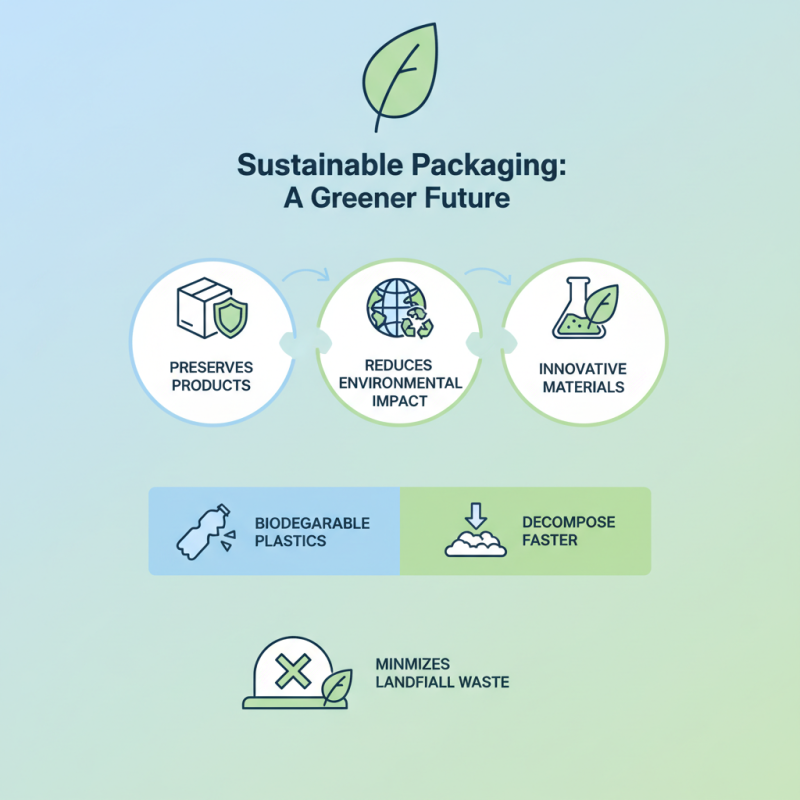
Sustainable packaging is crucial in today's world. It helps preserve products while reducing environmental impact. Innovations in materials, like biodegradable plastics, are gaining traction. These materials decompose more quickly than conventional options. They are designed to break down, minimizing landfill waste.
Another exciting development is edible packaging. This kind of packaging can be consumed along with the product. It holds great potential, especially in the food industry. However, there are challenges attached. Ensuring safety and hygiene while maintaining taste remains complex. Proper research is essential to find the right balance.
Additionally, companies are exploring plant-based materials. These alternatives can reduce reliance on petroleum-based plastics and cut carbon footprints. Yet, sourcing these materials sustainably is a concern. Many still wonder about the longevity and effectiveness of these new solutions. The path to sustainable packaging is filled with opportunities and obstacles. Each innovation demands careful consideration and continuous improvement.