How to Properly Recycle Plastic Bags for a Greener Environment?
The rise of plastic bags in our daily lives has created significant environmental challenges. According to Dr. Samantha Green, a recycling expert, “Properly recycling plastic bags is crucial for reducing our carbon footprint.” Many people misuse or neglect the recycling of plastic bags, leading to pollution and waste.
Recycling plastic bags requires specific steps that many individuals overlook. Many local recycling programs do not accept plastic bags in curbside bins, causing confusion. Instead, public drop-off locations or retail store collection points are often better options. Knowing where to recycle plastic bags correctly is vital for a greener environment.
Despite awareness campaigns, the misuse of plastic bags persists. People often throw them in regular waste, further damaging ecosystems. We must rethink our habits and educate ourselves about proper recycling practices. Together, through informed and responsible actions, we can change the negative impact of plastic bags on our environment.
Understanding the Environmental Impact of Plastic Bags
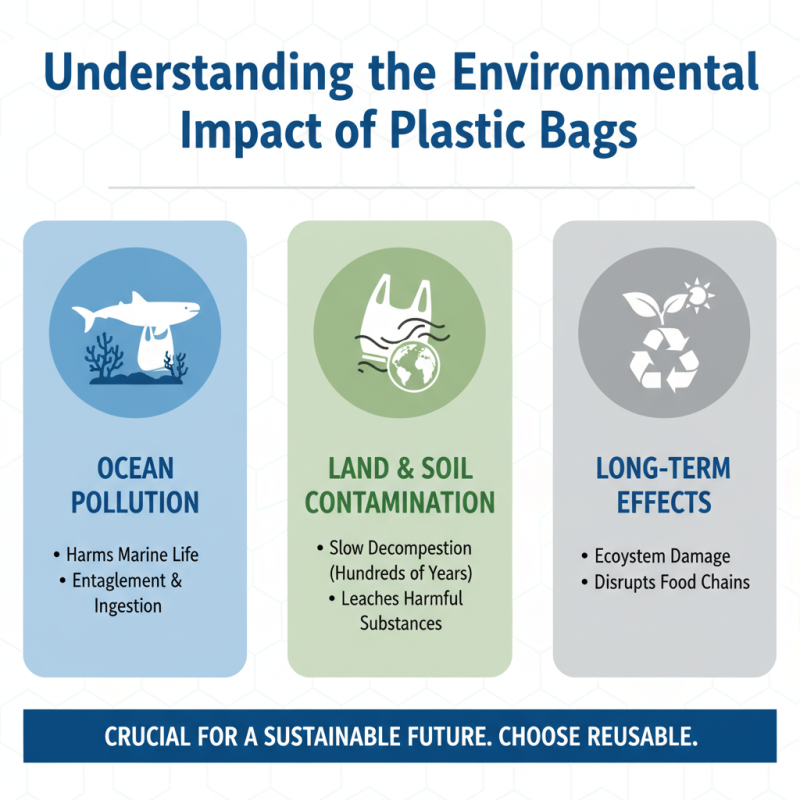
Plastic bags are a significant contributor to environmental pollution. Many end up in oceans, harming marine life. They can take hundreds of years to decompose, releasing harmful substances into the soil and water. Understanding their impact is crucial for creating a sustainable future.
When plastic bags are not disposed of properly, they create serious hazards. Animals often mistake them for food, leading to injury or death. Furthermore, plastic waste contributes to climate change. Burning plastic releases toxic gases, exacerbating air pollution. The more we use plastic bags, the deeper the ecological crisis becomes.
Recycling plastic bags is not always straightforward. Many curbside recycling programs do not accept them. People often need to return them to specific locations. Awareness of this issue is growing, yet many still throw them away carelessly. Reflecting on our habits is essential for meaningful change. Only by recognizing the consequences of our actions can we shift towards more sustainable practices and protect our planet.
Identifying Types of Plastic Bags Suitable for Recycling
Plastic bags are commonly used, but not all are suitable for recycling. Many people mistakenly believe that any plastic bag can be tossed into recycling bins. However, it’s essential to identify the right types of bags. Most grocery plastic bags are recyclable. Bags that carry a recycling symbol, often found on the bottom, are acceptable.
However, flimsy or crinkly bags, like those used for bread, are generally not recyclable in curbside programs.
Tips: Always check for symbols. If uncertain, don't recycle it. You can also repurpose these bags at home. Use them for storage or as trash liners. This not only reduces waste but also prolongs their use.
Some bags are made of blended materials, which complicates recycling. These are often not accepted. Even if a bag looks recyclable, it might contain additives that hinder the process. Reflecting on our habits is crucial. Many people unknowingly contribute to recyclable confusion. It's vital to stay informed to ensure proper recycling practices. Only through awareness can we hope to foster a greener environment.
Steps to Properly Prepare Plastic Bags for Recycling
Recycling plastic bags is essential for reducing environmental impact. Many people still don’t understand how to prepare these bags properly for recycling. The preparation process is crucial to ensure that materials are processed correctly.
To start, ensure that your plastic bags are clean and dry. Food residue can contaminate the recycling stream. According to the EPA, around 30% of recyclable materials are rejected due to contamination. This statistic highlights the importance of preparing items correctly. Flatten the bags to reduce bulk. This helps in easier handling and processing during recycling.
Next, collect bags together and tie them securely. Loose bags can jam machinery at recycling facilities, causing costly delays. The industry reports that improper preparation can lead to a significant loss of recyclables, with up to 25% often discarded. Remember, not all plastic bags are accepted for recycling. Check local guidelines. Understanding these details is vital in creating a greener environment and improving recycling efficiency.
Finding Local Recycling Programs That Accept Plastic Bags
Finding local recycling programs for plastic bags can be challenging. Many people are unaware that not all recycling centers accept them. Plastic bags often cause problems during the recycling process. They can clog machinery, creating delays and increased costs. Therefore, knowing where and how to recycle is essential for effective environmental stewardship.
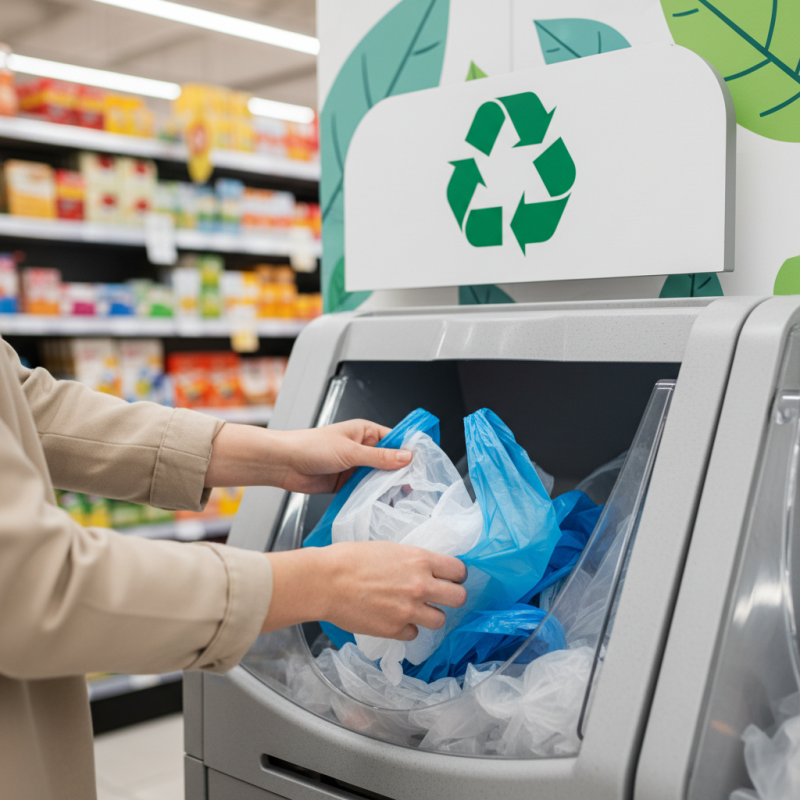
Start by checking with local grocery stores. Many of them have designated bins for plastic bag recycling. These bins are usually located near the entrance. In addition, some municipalities have specific drop-off locations for plastic bags. A quick online search can help you find these programs. However, double-check the guidelines. Not all plastic bags are created equal. Bags should be clean and dry to be properly recycled.
Community awareness is vital. Often, people discard bags in regular trash, believing it’s acceptable. It is not. This practice harms the environment and reduces recycling efficiency. Educate your friends and family about the importance of proper disposal. By sharing information, you can create a network that supports recycling efforts in your area. It’s an imperfect process, but every little effort counts.
Alternatives to Plastic Bags: Sustainable Options for Everyday Use
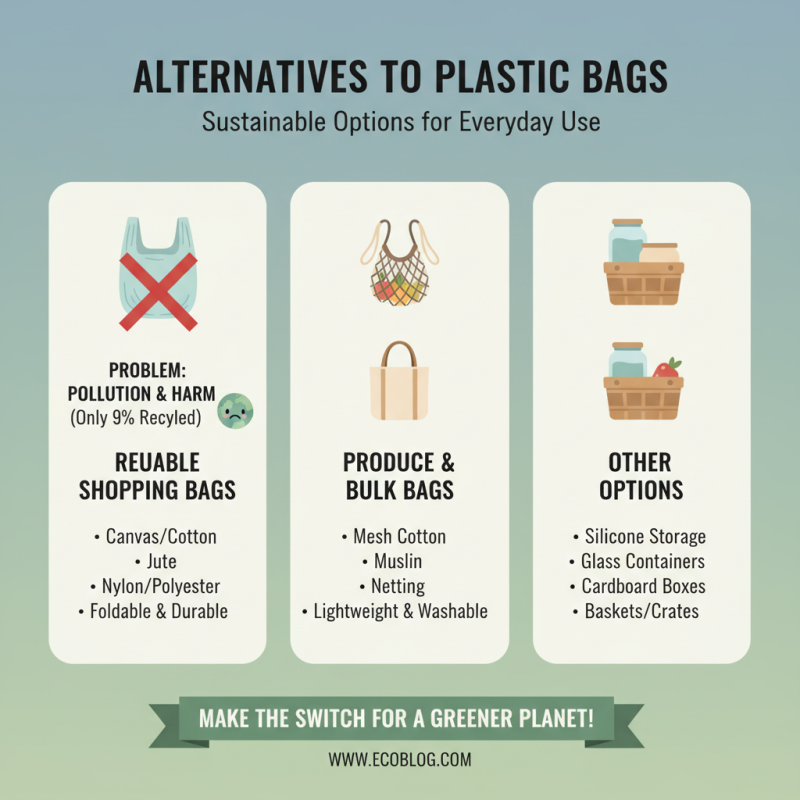
Plastic bags are convenient but damaging. They contribute to pollution and harm wildlife. According to the World Economic Forum, only 9% of plastic waste is recycled. This data emphasizes a need for sustainable alternatives.
Reusable bags are a popular choice. They reduce the reliance on single-use plastic. A study revealed that one reusable bag can replace up to 1,000 plastic bags over its lifetime. Fabric bags, made from cotton or other materials, are durable and can withstand many uses.
Biodegradable bags offer another option. These bags break down more easily in landfills. However, they still require specific conditions to decompose effectively. Many consumers are unaware that not all biodegradable options are created equal. Sometimes, they still contribute to microplastic pollution. Awareness of these differences is essential for a greener environment.