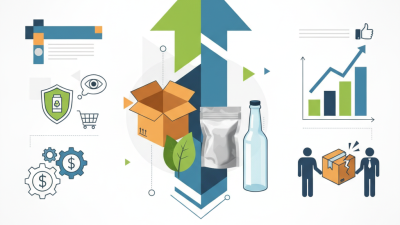
Top Tips for Choosing the Best Bottle Boxes for Your Needs?
When selecting bottle boxes, there are several factors to consider. The right box can protect your bottles and enhance their presentation. With countless options available, finding the perfect fit for your needs can be overwhelming. Understanding these choices is crucial for businesses and enthusiasts alike.
Quality matters in bottle boxes. The material should be sturdy yet lightweight. Eco-friendly options are becoming increasingly popular. They appeal to consumers who prioritize sustainability. It’s also important to choose a size that matches your bottles precisely. A snug fit prevents movement and potential damage.
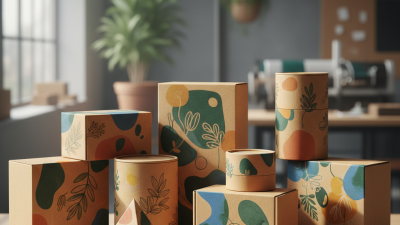
Design is another key aspect. A visually appealing box can enhance your brand's image. Think about colors, textures, and branding elements. However, it's essential to balance aesthetics with functionality. Some designs might look great but lack durability. Evaluating both style and substance will lead you to the best decision.
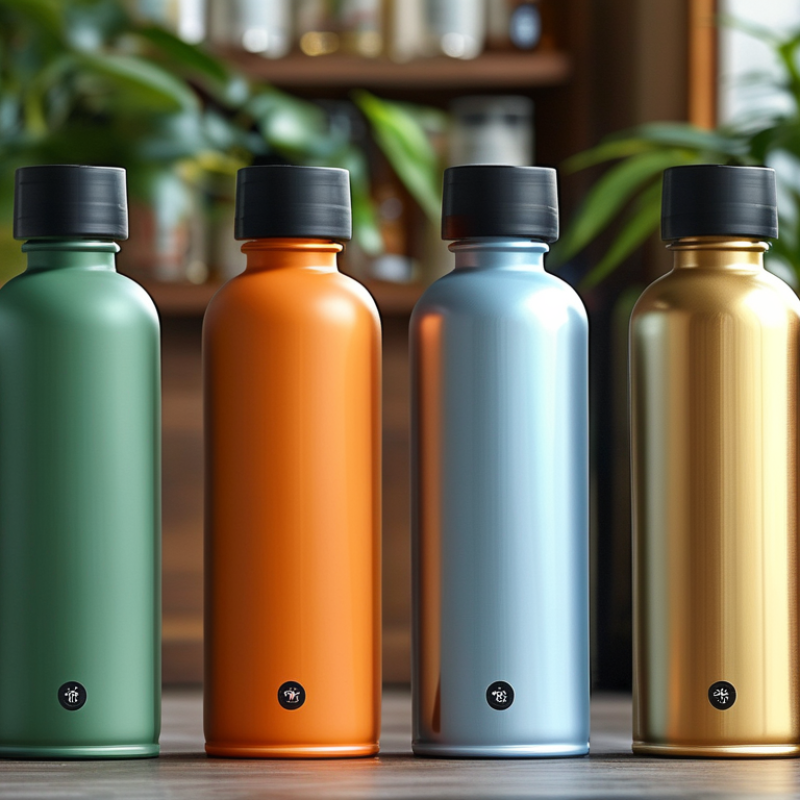
Importance of Selecting the Right Bottle Box for Shipping and Storage
When selecting a bottle box for shipping or storage, the right choice is crucial. A suitable box protects your bottles from damage during transit. It can help maintain the integrity of the contents inside. The design of the box directly affects its ability to shield your bottles. Make sure to choose a sturdy material that can withstand impacts.
Consider the size of the bottles you plan to ship. Not all boxes fit every bottle perfectly. An ill-fitting box may lead to breakage or spillage. Some boxes offer adjustable padding. This feature can help accommodate various bottle shapes and sizes.
Caution: Be cautious about over-packed boxes, as they might compromise the integrity of the bottles.
Reflect on the storage conditions as well. Humidity and temperature can affect the quality of your bottles. Opt for a bottle box with a reliable seal if necessary. While many boxes work well, not each one is ideal for every situation. Analyze your specific needs carefully to select the best option.
Remember, choosing poorly can lead to costly mistakes, so pay attention to details.
Factors to Consider: Size, Material, and Design for Bottle Boxes
When selecting the best bottle boxes, size is crucial. You want a box that comfortably fits your bottles without excessive movement. An ill-fitting box can lead to damage during transport. Measure your bottles carefully. Consider the height and diameter. This helps you avoid issues later. Finding the right dimensions is often overlooked but essential.
Material plays a significant role as well. Cardboard, plastic, and wood offer different benefits. Cardboard is lightweight and cost-effective, but it may not provide the durability needed for long distances. Plastic is waterproof and reusable. Wood presents a premium feel, offering both aesthetic appeal and sturdiness. Evaluate your needs based on how your bottles will be used. Choosing the wrong material might not protect your bottles adequately, leading to potential loss.
Design is another factor worth considering. Some designs feature cushioning, while others focus on aesthetics. If you're gifting a bottle, presentation matters. An appealing design can enhance the overall experience. However, prioritize functionality over looks. Opting for a beautiful but impractical design can lead to disappointment. Reflect on your priorities to find the balance between practicality and style.
Top Tips for Choosing the Best Bottle Boxes
Industry Standards: Compliance and Safety Regulations for Bottle Packaging
When selecting bottle boxes, industry standards play a crucial role in ensuring safety and compliance. Packaging must adhere to specific regulations to protect both the product and consumers. Understanding these standards can seem complex, but it's essential for reliable packaging.
Safety regulations often include material quality and design elements. For instance, the box must withstand the weight of the bottles it holds. Insufficient strength could lead to breakage, resulting in product loss and safety hazards. It's also vital to consider environmental standards. Sustainable materials not only help in compliance but also appeal to eco-conscious consumers.
While focusing on compliance, it's easy to overlook practical aspects. Some bottle boxes may meet safety standards but fail in usability. For example, a box that is too difficult to open can frustrate customers. Testing various designs before finalizing your choice can prevent potential customer dissatisfaction. Balancing compliance with user experience requires ongoing reflection and adaptation.
Cost Analysis: Balancing Quality and Budget for Bottle Box Solutions
When selecting bottle boxes, cost is a significant factor. Many businesses aim to balance quality with budget constraints. According to a recent industry report, the average cost of quality bottle boxes ranges from $0.50 to $1.50 per unit. This might seem reasonable until you scale for large orders.
Bulk purchases can lower unit costs, yet initial investments can be daunting.
Understanding materials is vital. Cardboard, plastic, and eco-friendly options have varied pricing. For instance, eco-friendly materials may cost up to 30% more than standard options. Still, they often attract more environmentally conscious consumers. Therefore, investing in quality materials can enhance brand reputation while addressing budget challenges.
It's essential to consider long-term value. Costly boxes might lead to fewer returns and damage. Research indicates that quality packaging can reduce damage rates by up to 50%. As businesses evolve, reflecting on these factors can guide better financial decisions. Aim for a balance that meets both cost-effectiveness and quality standards, fostering sustainable growth in your packaging strategy.
Sustainability in Packaging: Eco-Friendly Options for Bottle Boxes
When considering bottle boxes, sustainability should be at the forefront. Your choice can impact the environment significantly. Eco-friendly options are now available and worth exploring. Many materials reduce waste and promote recycling. Look for boxes made from recycled materials. This simple choice can help decrease landfill waste.
Here are some tips to keep in mind. Check for certifications that ensure a product's eco-friendliness. Labels can reveal whether materials are responsibly sourced. Consider the box's design as well. A well-designed package minimizes material use without sacrificing quality. Lightweight options can save on shipping emissions too.
Another factor is the production process. Eco-friendly manufacturing often uses less energy and generates fewer pollutants. Do some research on the manufacturer’s practices. Understanding these elements might require more effort but is essential for making informed choices. Your small actions in selecting sustainable packaging can drive larger changes in the industry.