Top Packaging Supplies for 2026 What You Need to Know?
In the fast-evolving world of packaging supplies, staying ahead is crucial for businesses. As we approach 2026, the demand for sustainable and innovative packaging is set to rise. Companies must adopt new materials and designs to meet consumer preferences. Customers increasingly favor eco-friendly options that reduce waste. This shift challenges businesses to rethink their packaging strategies.
The packaging landscape is diverse, encompassing everything from biodegradable materials to smart technology. Each option offers unique benefits that can enhance brand appeal. However, not all solutions are perfect. For instance, while biodegradable materials are environmentally friendly, they may not always provide the durability needed for certain products. Businesses must evaluate their choices carefully.
Understanding these trends is vital for success. Engaging with suppliers can provide insights into the latest innovations. Keep an eye on market shifts and consumer behavior. By aligning packaging supplies with brand values, businesses can create lasting impressions. In this dynamic environment, adaptability is key.
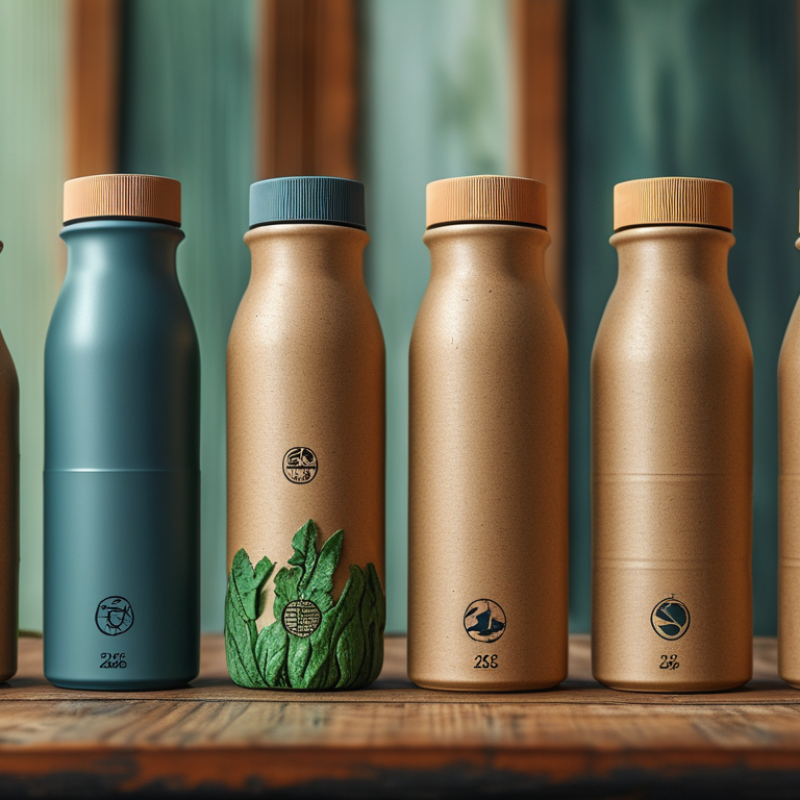
Emerging Trends in Packaging Supplies for 2026
As we approach 2026, packaging supplies are evolving rapidly. The global market for sustainable packaging is projected to reach over $700 billion by 2026, driven by increasing consumer demand for eco-friendly products. A recent study noted that around 81% of consumers are willing to change their shopping habits to reduce environmental impact. This shift is creating an urgent need for innovative materials.
Biodegradable packaging is gaining traction. Materials such as bioplastics and paper alternatives are now preferred. They offer benefits like reduced waste and lower carbon footprints. However, many businesses face challenges in sourcing these materials. Research has shown that quality and cost are primary concerns for companies transitioning to sustainable options.
Moreover, smart packaging technologies are on the rise. Packaging that includes QR codes or temperature-sensitive indicators can enhance user engagement. A report indicates that the smart packaging market could grow by about 30% annually. Yet, not all companies are equipped to implement these technologies effectively. There is a knowledge gap in how to integrate these innovations seamlessly into current operations, posing a potential barrier.
Sustainable Materials Shaping the Future of Packaging
The future of packaging is increasingly influenced by sustainable materials. Industry reports show that over 70% of consumers prefer sustainable packaging. This shift drives companies to seek eco-friendly alternatives.
Biodegradable plastics and recycled materials are gaining traction. They reduce environmental impact and enhance brand image.
Sustainable packaging isn't without challenges. Research indicates that nearly 40% of companies struggle with sourcing sustainable materials. Often, the cost and availability can hinder progress.
Innovation in this area is crucial. Emerging technologies are set to enhance the efficiency of eco-friendly packaging solutions.
Recent statistics reveal that the global sustainable packaging market is projected to reach $500 billion by 2027. This growth underscores the urgency for businesses to adapt. As competition increases, those who prioritize sustainability may gain a significant edge. However, navigating this transition is complex.
It requires commitment and an open-minded approach to adopt new practices.
Innovative Technologies Transforming Packaging Solutions
Innovative technologies are revolutionizing the packaging industry. According to a recent report by Smithers Pira, the global market for packaging technologies is expected to exceed $500 billion by 2026. This surge is primarily driven by advancements in sustainable materials and automation. Companies are increasingly investing in biodegradable plastics, which reduce waste and environmental impact.
One key area of innovation is smart packaging. This technology integrates sensors to monitor the freshness of products. A study by Allied Market Research indicates that the smart packaging market could reach $50 billion by 2027, highlighting its potential. However, challenges remain. Many manufacturers are unsure about the return on investment. Integrating these technologies requires upfront costs and training.
Sustainable practices are essential too. Consumers now demand transparency in packaging materials. A Nielsen survey found that 73% of respondents are willing to pay more for sustainable products. However, not all companies can meet these demands efficiently. The shift to sustainable packaging is crucial but can be complex. Balancing cost-effectiveness with eco-friendliness continues to be a challenge for many in the industry.
Key Factors Influencing Packaging Design Choices
In 2026, packaging design will significantly evolve. Key factors will shape these choices, including sustainability and consumer preferences. A recent study from the Packaging Innovation Network highlights that 75% of consumers prefer products with eco-friendly packaging. This shift is pushing brands to explore biodegradable and recyclable materials.
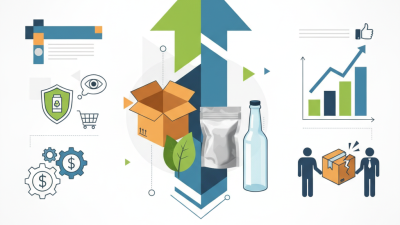
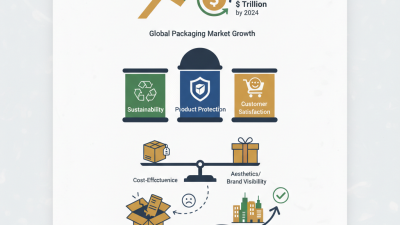
Cost-effectiveness remains critical. Companies are balancing sustainability with affordability. Research from the Global Packaging Trends Report indicates that 60% of companies cite high costs as a barrier to innovative packaging. Creative solutions are needed to manage budgets while meeting eco-friendly demands. This challenge often requires innovative thinking and collaboration among teams.
Consumer engagement plays a vital role. Today's shoppers seek packaging that tells a story. An Ipsos survey found that 70% of consumers are influenced by how brands communicate their values through packaging. This trend calls for transparency and authenticity. Brands must reflect their ethics and practices in their packaging choices, leading to a need for thoughtful design that resonates with consumers.
Consumer Preferences and Market Demands in 2026 Packaging
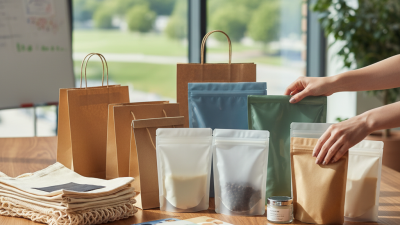
As we look toward 2026, consumer preferences in packaging are evolving rapidly. Today's shoppers are increasingly conscious of sustainability. They prefer materials that reduce environmental impact. Biodegradable and recyclable options are becoming top choices. Packaging that minimizes waste is also gaining traction. Companies that adopt these materials may find a competitive edge.
Appearance matters in the packaging world. Eye-catching designs attract consumers. However, aesthetics should not overshadow functionality. Packaging must protect products while being easy to handle. Convenience is now a priority for shoppers. They appreciate packaging that is simple to open and reseal. This reflects a shift in market demands.
Yet, balancing aesthetics, functionality, and sustainability poses challenges. Companies must innovate while managing costs. Investing in new materials can be risky. They also need to keep up with changing regulations. Ignoring these shifts might lead to losing customer trust. Packaging can influence brand perception and loyalty significantly. As preferences evolve, companies must remain adaptable.