Top Print Inspection Techniques for Quality Control?
In the competitive world of printing, quality matters. Print Inspection plays a crucial role in ensuring that products meet exacting standards. This process involves scrutinizing printed materials for flaws, color accuracy, and overall consistency. Effective print inspection techniques can identify issues early, saving time and resources.
Many companies still rely on outdated methods. Some use manual checks, which can be error-prone. In contrast, modern technologies like automated systems provide more reliable results. However, not all technologies are perfect. Certain systems can overlook subtle defects. This inconsistency can lead to quality issues that impact customer satisfaction.
Visual recognition tools often face challenges with complex designs. They might struggle to detect small variations. It’s essential to choose the right inspection technique based on specific needs. Balancing technology with human oversight often results in better outcomes. Continuous improvement in print inspection practices is necessary for long-term success.
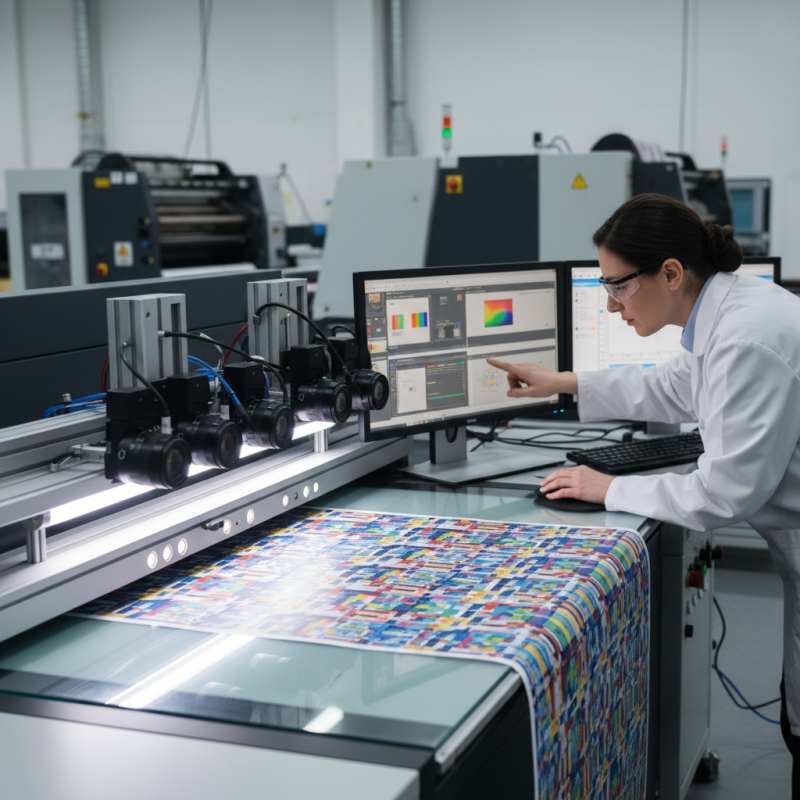
Top Print Inspection Techniques for Quality Control in Various Industries
Quality control is essential in various industries, including packaging, textiles, and electronics. Each industry has unique print inspection needs. Effective techniques can significantly enhance product consistency and safety.
One popular method is visual inspection. Trained staff closely examine printed materials for errors. It's simple yet can be subjective. Sometimes, inconsistent lighting can result in missed defects. Regular training helps staff improve their skills.
Another technique is machine vision systems. These automated systems use cameras and software to detect print flaws. They provide consistent results but can overlook subtle issues. A mixed approach, combining both visual and automated inspections, often yields the best outcomes.
Tips: Always calibrate equipment regularly. Regular maintenance avoids false negatives. Encourage open communication about inspection challenges among the team. This feedback can lead to improvements in techniques and processes.
Understanding the Importance of Print Quality Control Standards and Metrics
Print quality control standards are essential in maintaining a high level of production. They ensure that every print meets specific metrics. Adhering to these standards helps organizations prevent defects. This can reduce waste and save costs over time. However, many processes lack rigorous inspection techniques. As a result, issues often go unnoticed until it’s too late.
Metrics play a crucial role in evaluating print quality. Common metrics include color accuracy, registration, and resolution. Each of these measures has a direct impact on the final product. Yet, not all companies apply these standards consistently. Some may overlook minor flaws, thinking they won't affect final results. This mindset can lead to significant implications, like customer dissatisfaction. Understanding and implementing the right metrics can be a game-changer.
Investing in robust inspection techniques can seem daunting. Some may question the need for extra measures. Nonetheless, the potential to enhance quality should not be underestimated. Regularly reviewing inspection processes is vital. It’s not just about catching errors; it’s about fostering a culture of excellence in print production. Balancing quality with efficiency remains a challenge that requires ongoing attention.
Leading Print Inspection Technologies: Benefits and Applications in Manufacturing
In manufacturing, print inspection technology plays a vital role in ensuring product quality. Many companies are adopting advanced inspection methods to detect printing errors. These can range from inconsistent colors to misaligned graphics. By implementing these technologies, manufacturers can significantly reduce waste and improve customer satisfaction.
Automated vision systems are gaining traction. They scan printed products at high speeds, identifying defects in real time. This constant oversight helps maintain high standards. However, reliance on automation can lead to blind spots. Sometimes, the technology may miss subtle issues that human inspectors would catch. Balancing technology with human judgment remains crucial.
Another promising technique is spectral analysis. This method examines color accuracy by analyzing the light reflected off printed surfaces. It offers a more precise understanding of color fidelity. Yet, complications can arise if materials vary unexpectedly. Environmental factors can also impact results. Continuous training and adjustments are needed to keep processes effective. Quality control must evolve with these challenges.
Case Studies: Successful Implementation of Print Inspection Techniques
Print inspection techniques play a crucial role in maintaining quality standards. Many businesses have successfully integrated these techniques into their operations. For instance, a packaging company faced issues with inconsistent print quality. They implemented automated inspection systems that utilized advanced imaging technology. This significantly reduced errors and improved production speed. Over time, their customer satisfaction rates soared.
Another case involved a label manufacturer struggling with color accuracy. They adopted spectral measurement tools to analyze print outputs. This allowed them to detect color discrepancies early in the process. As a result, they achieved consistent colors across print runs, leading to fewer returns and increased brand loyalty.
Tips for effective print inspection include focusing on key aspects, like color accuracy and alignment. Regularly calibrate your inspection equipment. This prevents drift over time and ensures that measurements remain reliable. Engaging your team in quality discussions helps identify areas for improvement. Encourage them to report anomalies, even minor ones. These reflections can lead to better technique adoption and foster a culture of continuous learning.
Future Trends in Print Inspection Technology: AI and Automation’s Role
In the realm of print inspection technology, AI and automation are changing the landscape. According to a recent industry report, integrating AI can enhance defect detection rates by up to 85%. Traditional inspection methods often miss subtle flaws that automated systems can catch. The future is leaning towards a smarter approach, where machines learn from past errors and continuously improve performance.
With automation, the speed of inspection increases dramatically. Automated systems can analyze thousands of prints in a fraction of the time it takes a human. This not only boosts productivity but also reduces costs associated with manual error detection. However, a reliance on technology raises questions about the adequacy of AI in recognizing complex print defects.
Tip:
Invest in training for your team to work alongside automated systems. Human oversight remains vital to catch what machines might miss.
While the benefits are substantial, challenges persist. AI systems require extensive data to function optimally. If the training data is flawed, the output can be misleading. It’s essential to review AI recommendations critically, balancing automation with human intuition.
Tip:
Regularly audit your AI models to ensure they produce accurate results.
Embracing these trends in print inspection means acknowledging their limitations. Continuous adaptation and learning are crucial as technology evolves. Finding the right mix of human expertise and machine efficiency will dictate the success of quality control in the printing industry.
