Why Choose Eco Friendly Packaging for Your Business Needs?
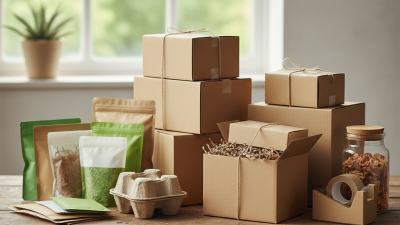
In today's world, the choice of packaging can reflect a company's values and commitment to sustainability. Many businesses are now opting for eco friendly packaging. This decision goes beyond mere aesthetics or cost; it’s a vital part of corporate responsibility. Eco friendly packaging reduces environmental impact and resonates with conscious consumers who prioritize sustainability.
Choosing eco friendly packaging is not just a trend. It's a way to meet growing consumer demands for sustainability. Brands that adopt such practices often see improved customer loyalty. The right packaging can also enhance brand image and market reach. However, it does require careful consideration of materials and suppliers. Not all eco friendly options are equally effective.
Making the switch to eco friendly packaging can present challenges. Companies may need to rethink their entire supply chain. Finding reliable partners for sustainable materials is crucial. Balancing costs with environmental benefits can be tough. Ultimately, the effort can pay off, leading to a more sustainable future for businesses and the planet alike.

Benefits of Eco-Friendly Packaging for Businesses
Eco-friendly packaging is a smart choice for businesses focused on sustainability. It significantly reduces the environmental impact. Many materials, like recycled paper and biodegradable plastics, decompose faster. This helps lower landfill waste. Consumers appreciate brands that care about the planet. They prefer products with minimal environmental footprints.
Using eco-friendly packaging can enhance brand image. It shows commitment to sustainability. This can lead to loyal customers who value ethics. However, there can be challenges. Sourcing sustainable materials may require more effort. Some options might initially seem more expensive. Businesses need to evaluate these choices carefully.
Implementing eco-friendly practices takes time. Not every business is ready for a complete overhaul. A gradual transition can still yield benefits. Small steps can lead to significant impact over time. Each effort toward sustainability can strengthen your brand’s position in a competitive market.
Types of Eco-Friendly Packaging Materials Available
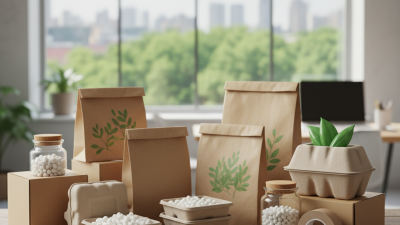
Eco-friendly packaging materials are gaining popularity due to their sustainable nature. Many companies recognize the importance of reducing waste and minimizing environmental impact. One common type of eco-friendly packaging is biodegradable materials. These materials break down naturally over time, making them a great choice for businesses aiming to reduce landfill waste.
Another appealing option is recycled cardboard. It is strong, versatile, and often made from post-consumer waste. This helps divert waste from landfills and reduces the need for new raw materials. Companies can also explore plant-based plastics. These materials are derived from renewable resources and can provide similar functionality to traditional plastics.
Choosing eco-friendly packaging can sometimes pose challenges. Not all options offer the same durability or cost-effectiveness as conventional materials. Businesses must weigh their priorities before making a decision. However, the long-term benefits of sustainability often outweigh the initial hurdles. Exploring these materials opens the door to innovative solutions and can enhance the brand's reputation.
Why Choose Eco Friendly Packaging for Your Business Needs?
| Type of Eco-Friendly Packaging |
Material |
Biodegradable |
Recyclable |
Benefits |
| Kraft Paper |
Recycled Paper |
Yes |
Yes |
Cost-effective, versatile, strong |
| Bioplastic Bags |
PLA (Polylactic Acid) |
Yes |
Partially |
Renewable resources, compostable |
| Glass Containers |
Glass |
No |
Yes |
Reusable, durable, non-toxic |
| Bamboo Packaging |
Bamboo |
Yes |
Yes |
Sustainable, stylish, lightweight |
| Mushroom Packaging |
Mycelium |
Yes |
Yes |
Fully compostable, renewable |
Cost Considerations for Eco-Friendly Packaging Solutions
When considering eco-friendly packaging, cost is often a pressing concern. Many businesses hesitate to switch, fearing high expenses. However, this perception does not always align with reality. Eco-friendly materials have become more accessible, often leading to competitive pricing. In some cases, these solutions can reduce shipping costs due to lighter materials.
Adopting sustainable practices can yield long-term savings. For instance, biodegradable packaging reduces landfill costs. It can also enhance brand loyalty, attracting customers who prioritize sustainability. Investing in eco-friendly packaging can lead to positive publicity, driving sales. However, businesses must analyze their specific needs. Some may find transition costs burdensome.
Despite the potential benefits, businesses should also consider challenges. Sourcing materials might require more effort. Additionally, certain eco-friendly options may not provide the same durability as traditional packaging. It’s essential to weigh these factors. Balancing cost with environmental responsibility is not always straightforward. Striking the right balance is crucial for sustainable growth.
Consumer Preferences and Trends Towards Sustainable Packaging
Consumer preferences are shifting dramatically towards sustainable solutions. According to a recent report by McKinsey, 70% of consumers consider environmental sustainability when making purchase decisions. This trend is not merely a passing phase. It reflects a growing awareness of environmental impacts and a commitment to making responsible choices.
Many consumers view eco-friendly packaging as a vital factor in their buying decisions. A Nielsen study found that 81% of global respondents feel strongly about companies creating sustainable packaging. This preference spans across age groups, but millennials and Gen Z are particularly vocal. They demand transparency and accountability from brands. Consumers are increasingly scrutinizing brands that fail to adopt sustainable practices.
However, businesses face challenges in aligning with these trends. Transitioning to eco-friendly packaging often involves higher costs and complex logistics. Some companies experience resistance internally when convincing stakeholders. A balance must be struck between eco-friendly options and business viability. While the consumer demand is clear, brand commitment can waver amidst operational hurdles.
Implementing Eco-Friendly Packaging Strategies in Your Business
The shift towards eco-friendly packaging has become increasingly important for businesses. Implementing eco-friendly strategies can reduce environmental impacts. According to a report by Smithers Pira, the global sustainable packaging market is expected to reach $280 billion by 2024. This reflects a growing demand from consumers for greener options.
Using biodegradable materials can significantly lower waste. In fact, the Environmental Protection Agency (EPA) states that packaging accounts for 30% of the waste in landfills. By choosing materials like recycled paper or compostable plastics, businesses can help mitigate this issue. Not only does it attract eco-conscious customers, but it can also lead to cost savings over time.
However, transitioning to sustainable packaging isn’t always straightforward. Some companies face challenges in sourcing materials or redesigning their packaging lines. Balancing functionality and sustainability can be tough. It's important for businesses to conduct thorough research first. Engaging with suppliers who prioritize sustainability is crucial for successful implementation.