How to Choose the Best Paper Packaging for Your Products?
Choosing the right paper packaging is crucial in today's market. With sustainability becoming essential, it’s not just about aesthetics. Expert Jane Anderson, a renowned consultant in sustainable packaging, once stated, "The right paper packaging can elevate your brand while minimizing environmental impact."
Paper packaging offers versatility and eco-friendliness. However, selecting the best option involves understanding your product's needs. For instance, a fragile item requires robust packaging to prevent damage. This often leads to a balance between durability and compliance with eco-friendly standards.
Many companies overlook the specifics, leading to wasted resources and potential damage during transit. Reflecting on this, businesses should assess the entire lifecycle of their packaging. Consumers are increasingly conscious about choices. Therefore, investing time in choosing the right paper packaging can lead to customer satisfaction and brand loyalty.
Understanding the Importance of Paper Packaging in Product Presentation
Paper packaging plays a crucial role in product presentation. It not only protects items but also enhances brand image. According to a report by the Paper and Packaging Board, 73% of consumers believe that packaging influences their purchasing decisions. This shows the power of well-designed paper packaging in attracting customers.
Effective paper packaging can convey sustainability. Consumers are increasingly concerned about the environmental impact of products. A survey by Trivium Packaging found that 74% of consumers prefer sustainable packaging. Using recyclable materials can help brands align with consumer values and improve their marketability.
Consider these tips when selecting paper packaging: focus on design elements that reflect your brand identity. Ensure the packaging is functional and user-friendly. Use high-quality materials to ensure durability, but keep costs in mind. Remember, it’s important to balance aesthetics and practicality. Poor choices in packaging can lead to product damage or unappealing presentations. Evaluate your options thoroughly to make informed decisions.
Identifying Your Product’s Specific Packaging Requirements and Constraints
Choosing the right paper packaging requires a deep understanding of your product's needs.
Consider the dimensions and weight of your items. Will they be stacked or transported?
Fragile items need cushioning. The packaging must prevent damage while being easy to handle.
Design is another important factor. Your branding should shine through, but remember to prioritize functionality. Many entrepreneurs overlook this aspect.
Packaging can be functional yet visually appealing. It can reflect your brand's identity without sacrificing its protective capabilities.
Tips for selecting paper packaging include knowing the paper type. Different weights and textures serve various purposes. Think about sustainability too.
Eco-friendly options are important today. Reflect on your choices—how do they impact the environment?
This thought process can lead to better decision-making. Always ask yourself if the packaging meets your specifications.
Strive for improvements, even if your current choice works. Aim for a balance between practicality and aesthetic appeal.
Exploring Different Types of Paper Packaging for Various Products
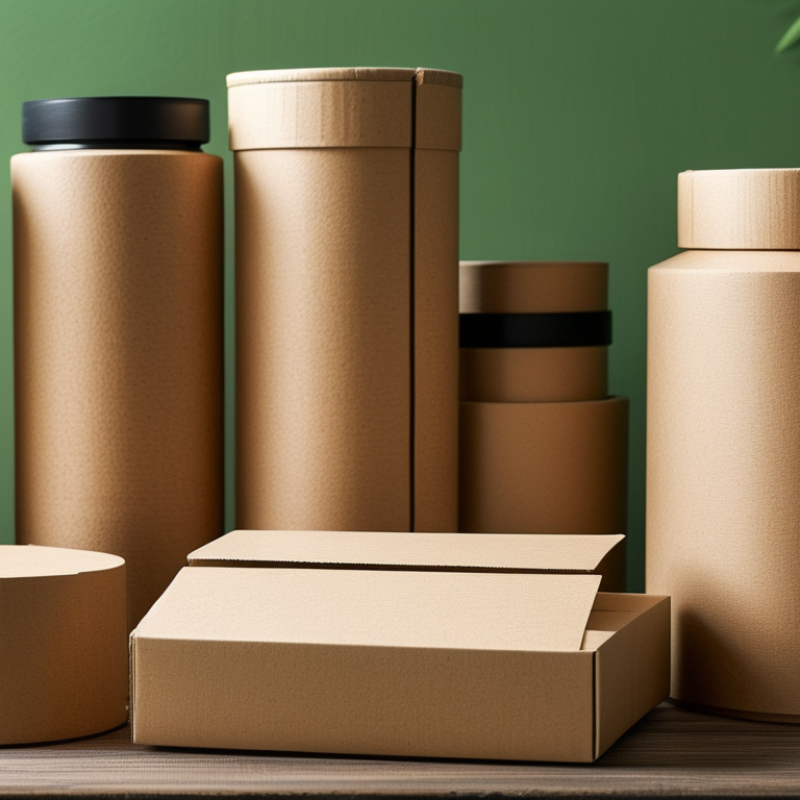
Choosing the right paper packaging depends on the specific needs of your products. From shipping to retail display, understanding various types is crucial. Kraft paper is sturdy and eco-friendly, making it great for food and cosmetic products. On the other hand, coated paper provides a smooth finish, perfect for high-end items that need a polished look.
Consider the weight and fragility of your products. Lightweight items may allow for thinner paper, reducing costs. However, fragile products need more protective packaging. A common oversight is underestimating the environmental impact of paper choices. Opt for recyclable options, and be mindful of sourcing practices.
To enhance the unboxing experience, customize your packaging. Simple changes, like adding unique prints or textures, can create a memorable experience. Experiment with different paper types to see which best complements your branding. It’s essential to balance aesthetics with functionality. In doing so, reflect on what your packaging communicates about your brand values.
Evaluating Eco-Friendly Options in Paper Packaging Materials
When considering eco-friendly options in paper packaging, it’s essential to evaluate sustainable materials carefully. The global paper packaging market is projected to reach $500 billion by 2027, driven by the growing demand for environmentally responsible solutions. As consumers seek greener alternatives, companies must adapt to these preferences without compromising quality.
Recycled paper materials are increasingly popular. They reduce waste and require less energy to produce than virgin paper. According to the Environmental Paper Network, using 100% recycled paper can save 60% of energy needed in manufacturing. However, it is crucial to ensure that recycled paper maintains structural integrity and meets performance standards for packaging.
Moreover, certifications such as FSC (Forest Stewardship Council) play a significant role in guiding companies towards responsible sourcing. Certifying bodies provide transparency in the supply chain. Yet, not all certifications guarantee quality or environmental impact, leading to consumer confusion. Companies need to navigate this landscape carefully, weighing the benefits of eco-friendly packaging against the risk of misrepresentation. Implementing third-party audits can enhance credibility and ensure compliance with environmental standards, creating trust with environmentally-conscious consumers.
Paper Packaging Materials Evaluation
Comparing Cost-Effectiveness and Quality in Paper Packaging Solutions
Choosing the right paper packaging can greatly influence your product's success. Cost-effectiveness and quality are key factors in this decision. High-quality paper packaging often comes at a premium. Yet, it can enhance your brand image and product appeal. Customers are willing to pay more for products that look and feel premium.
On the other hand, low-cost options might save money initially. However, they could lead to issues later. Fragile packaging can result in damaged goods. This loss can overshadow any initial savings. Evaluating the long-term impact of your choice is essential. You may find that spending more on quality packaging pays off in customer satisfaction and brand loyalty.
Consider the product's nature when selecting packaging. Some items require sturdier materials. Others may thrive with lighter packaging. Reflect on your target audience as well. Their perceptions can vary significantly. Ultimately, weigh cost against quality, but ensure your packaging reflects your brand values.